 Stress-Free
 How to Simplify Your Construction Process
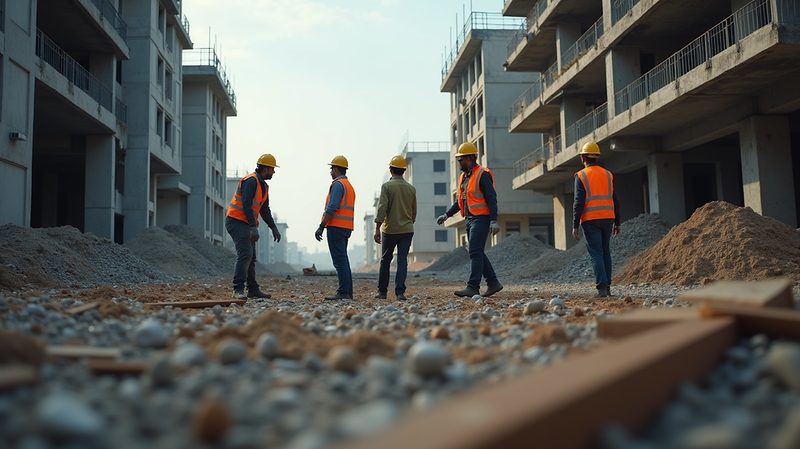
The construction industry is often seen as complex and chaotic, with numerous moving parts that can lead to delays, budget overruns, and miscommunication. However, simplifying your construction process can lead to increased efficiency, reduced costs, and a smoother workflow. In this blog post, we will explore practical strategies to streamline your construction projects, making them more manageable and effective.
Understanding the Challenges in Construction
Before diving into solutions, it's essential to understand the common challenges faced in construction projects:
- Communication Gaps: Miscommunication among team members can lead to errors and delays.
- Budget Overruns: Unexpected costs can arise from poor planning or unforeseen circumstances.
- Time Management: Coordinating schedules and timelines can be difficult, especially with multiple subcontractors involved.
- Regulatory Compliance: Navigating local building codes and regulations can be overwhelming.
Recognizing these challenges is the first step toward simplifying your construction process.
Establish Clear Communication Channels
Effective communication is the backbone of any successful construction project. Here are some strategies to enhance communication:
- Regular Meetings: Schedule weekly or bi-weekly meetings with all stakeholders to discuss progress, address concerns, and plan next steps.
- Use Technology: Implement project management software that allows for real-time updates and communication. Tools like Trello, Asana, or Procore can help keep everyone on the same page.
- Designate a Point of Contact: Assign a project manager or a lead contractor as the main point of contact for all communications. This reduces confusion and ensures that information flows smoothly.
Streamline Project Planning
A well-structured plan is crucial for a successful construction project. Here are some tips for effective project planning:
- Set Clear Objectives: Define the project scope, timeline, and budget upfront. Ensure all stakeholders understand these objectives.
- Create a Detailed Schedule: Break down the project into smaller tasks with specific deadlines. Use Gantt charts or timelines to visualize the project flow.
- Anticipate Risks: Identify potential risks and develop contingency plans. This proactive approach can save time and money in the long run.
Optimize Resource Management
Efficient resource management can significantly simplify your construction process. Consider the following strategies:
- Inventory Management: Keep track of materials and equipment to avoid shortages or excess. Use inventory management software to monitor stock levels.
- Labor Allocation: Assign tasks based on the skills and availability of your workforce. This ensures that the right people are working on the right tasks at the right time.
- Subcontractor Coordination: If you're working with subcontractors, ensure they are well-informed about their responsibilities and timelines. Regular check-ins can help keep them aligned with the project goals.
Embrace Technology and Innovation
Incorporating technology into your construction process can lead to significant improvements. Here are some technologies to consider:
- Building Information Modeling (BIM): This 3D modeling technology allows for better visualization and collaboration among team members. It can help identify potential issues before construction begins.
- Drones: Use drones for site surveys and inspections. They can provide real-time data and aerial views, making it easier to monitor progress and identify problems.
- Mobile Apps: Equip your team with mobile apps that allow them to access project information, submit reports, and communicate on the go.
Foster a Collaborative Work Environment
A collaborative work environment can enhance productivity and morale. Here's how to promote collaboration:
- Encourage Teamwork: Create opportunities for team members to work together on tasks. This can lead to better problem-solving and innovation.
- Provide Training: Invest in training programs that enhance skills and knowledge. A well-trained workforce is more efficient and confident in their abilities.
- Recognize Contributions: Acknowledge and reward team members for their hard work and achievements. This fosters a positive atmosphere and motivates everyone to perform at their best.
Monitor Progress and Adjust as Needed
Continuous monitoring is essential for keeping your construction project on track. Here are some ways to effectively monitor progress:
- Regular Check-Ins: Conduct site visits and check-ins to assess progress and address any issues that arise.
- Use KPIs: Establish key performance indicators (KPIs) to measure success. This could include metrics like project completion percentage, budget adherence, and safety incidents.
- Be Flexible: Be prepared to adjust your plans as needed. If something isn't working, don't hesitate to pivot and try a different approach.
Conclusion
Simplifying your construction process doesn't have to be a daunting task. By focusing on clear communication, effective planning, resource optimization, technology adoption, collaboration, and continuous monitoring, you can create a more efficient and streamlined workflow.
Take the first step today by assessing your current processes and identifying areas for improvement. Remember, a simplified construction process not only saves time and money but also leads to higher quality outcomes and greater satisfaction for all stakeholders involved.