 Stress-Free
 Effective Solutions for Your Construction Needs
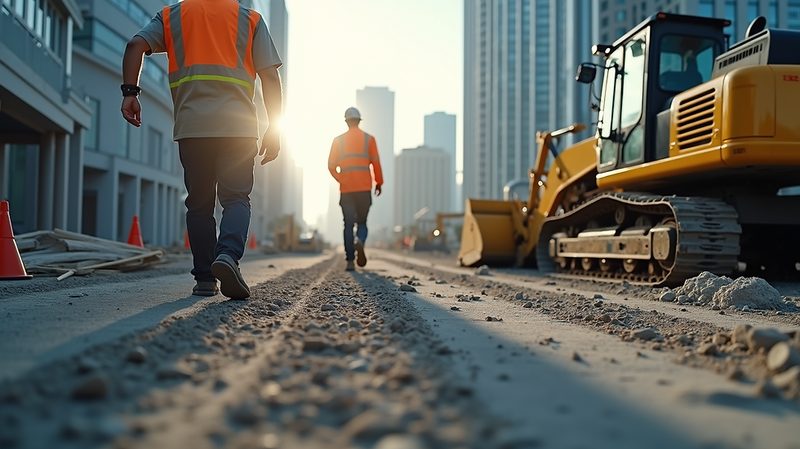
Construction projects can be daunting, filled with challenges that require effective solutions to ensure success. Whether you are a homeowner looking to renovate your space or a contractor managing a large-scale project, understanding the best practices and tools available can make all the difference. This blog post will explore various strategies, technologies, and methodologies that can streamline your construction process, enhance productivity, and ultimately lead to successful project completion.
Understanding Your Construction Needs
Before diving into solutions, it is crucial to assess your specific construction needs. This involves:
- Identifying the Scope: Determine the size and complexity of your project. Are you building a new structure, renovating an existing one, or simply making repairs?
- Budgeting: Establish a clear budget that includes all potential costs, from materials to labor.
- Timeline: Set a realistic timeline for project completion, considering potential delays and challenges.
By clearly defining your needs, you can tailor your approach and select the most effective solutions.
Effective Project Management Techniques
Project management is vital in construction. Here are some effective techniques to consider:
Agile Methodology
Agile project management focuses on flexibility and adaptability. This approach allows teams to respond quickly to changes and challenges, making it ideal for construction projects where unexpected issues can arise. Key principles include:
- Iterative Planning: Break the project into smaller phases, allowing for adjustments as needed.
- Collaboration: Foster open communication among team members to ensure everyone is on the same page.
Lean Construction
Lean construction aims to minimize waste while maximizing value. This methodology emphasizes efficiency and continuous improvement. Key strategies include:
- Value Stream Mapping: Analyze the flow of materials and information to identify areas for improvement.
- Just-In-Time Delivery: Schedule deliveries to coincide with project needs, reducing storage costs and waste.
Use of Technology
Incorporating technology into your project management can significantly enhance efficiency. Consider the following tools:
- Project Management Software: Tools like Trello or Asana help track progress, assign tasks, and manage timelines.
- Building Information Modeling (BIM): BIM allows for 3D modeling of construction projects, enabling better visualization and collaboration among stakeholders.
Selecting the Right Materials
Choosing the right materials is crucial for the success of any construction project. Here are some tips for making informed decisions:
Sustainability
Sustainable materials not only benefit the environment but can also reduce long-term costs. Consider using:
- Recycled Materials: Incorporate materials that have been repurposed, such as reclaimed wood or recycled metal.
- Energy-Efficient Products: Invest in materials that enhance energy efficiency, such as insulated windows or energy-efficient HVAC systems.
Quality Over Cost
While it may be tempting to choose cheaper materials, investing in high-quality products can save money in the long run. Consider:
- Durability: Select materials that can withstand wear and tear, reducing the need for repairs.
- Warranty: Look for products that come with a warranty, providing peace of mind and protection against defects.
Skilled Labor and Training
Having a skilled workforce is essential for any construction project. Here are some strategies to ensure you have the right talent:
Training Programs
Investing in training programs for your team can enhance their skills and improve overall project quality. Consider:
- On-the-Job Training: Provide hands-on experience to help workers develop practical skills.
- Certification Programs: Encourage employees to pursue certifications in specialized areas, such as safety or equipment operation.
Hiring Practices
When hiring new employees, consider the following:
- Experience: Look for candidates with a proven track record in construction.
- References: Check references to ensure candidates have a history of reliability and quality work.
Safety Protocols
Safety should always be a top priority on construction sites. Implementing effective safety protocols can prevent accidents and injuries. Here are some key practices:
Regular Training
Conduct regular safety training sessions to keep workers informed about best practices and new regulations. Topics to cover include:
- Personal Protective Equipment (PPE): Ensure all workers understand the importance of wearing appropriate gear.
- Emergency Procedures: Establish clear protocols for emergencies, including evacuation plans and first aid procedures.
Site Inspections
Regular site inspections can help identify potential hazards before they become issues. Consider:
- Daily Checklists: Use checklists to ensure all safety measures are in place before work begins.
- Incident Reporting: Encourage workers to report any safety concerns immediately.
Communication and Collaboration
Effective communication is essential for successful construction projects. Here are some strategies to enhance collaboration among team members:
Regular Meetings
Hold regular meetings to discuss project progress, address concerns, and plan for upcoming tasks. Consider:
- Daily Stand-Ups: Short daily meetings can help keep everyone informed and aligned.
- Weekly Reviews: Longer meetings can provide an opportunity to review progress and adjust plans as needed.
Digital Communication Tools
Utilize digital tools to facilitate communication among team members. Consider:
- Messaging Apps: Tools like Slack or Microsoft Teams can help streamline communication.
- File Sharing Platforms: Use platforms like Google Drive or Dropbox to share important documents and plans.
Conclusion
Navigating the complexities of construction projects can be challenging, but with the right strategies and tools, you can achieve success. By understanding your needs, implementing effective project management techniques, selecting quality materials, investing in skilled labor, prioritizing safety, and fostering communication, you can streamline your construction process and ensure a successful outcome.
Take the first step today by assessing your construction needs and exploring the solutions that will work best for you. Whether you are embarking on a small renovation or a large-scale project, the right approach can make all the difference.